Lead Paint Abatement Services Overview
Visitors can learn about lead paint abatement services and compare local contractors who handle this work.
- - Residential property owners seeking removal of lead-based paint from older homes.
- - Commercial building managers needing lead paint abatement for renovation projects.
- - Contractors and property managers looking to connect with local lead paint removal specialists.

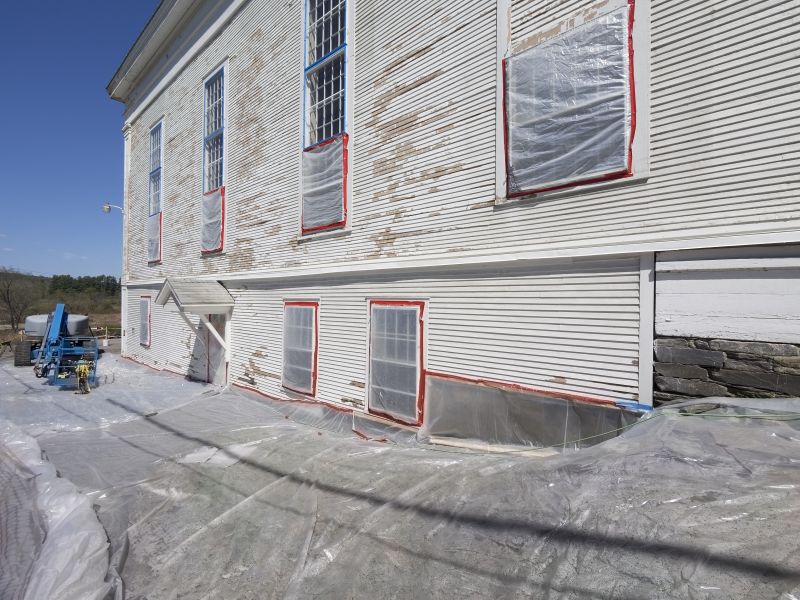

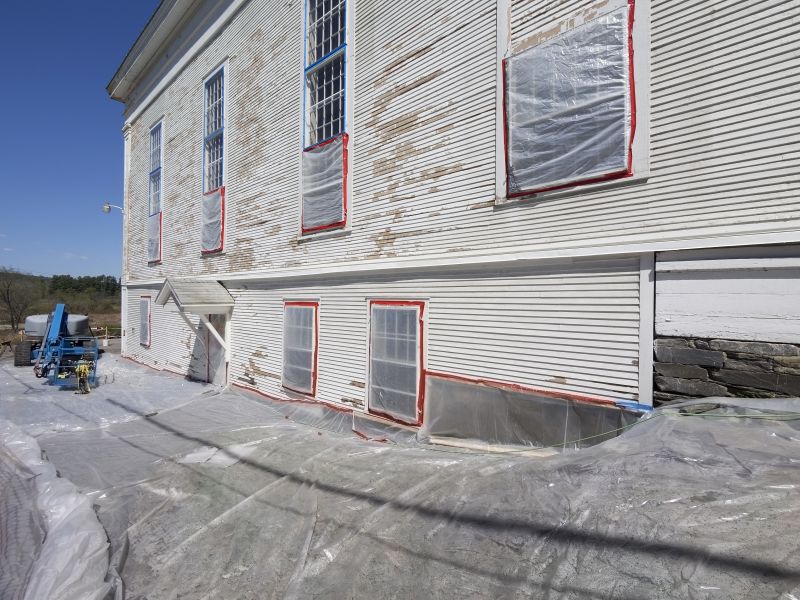
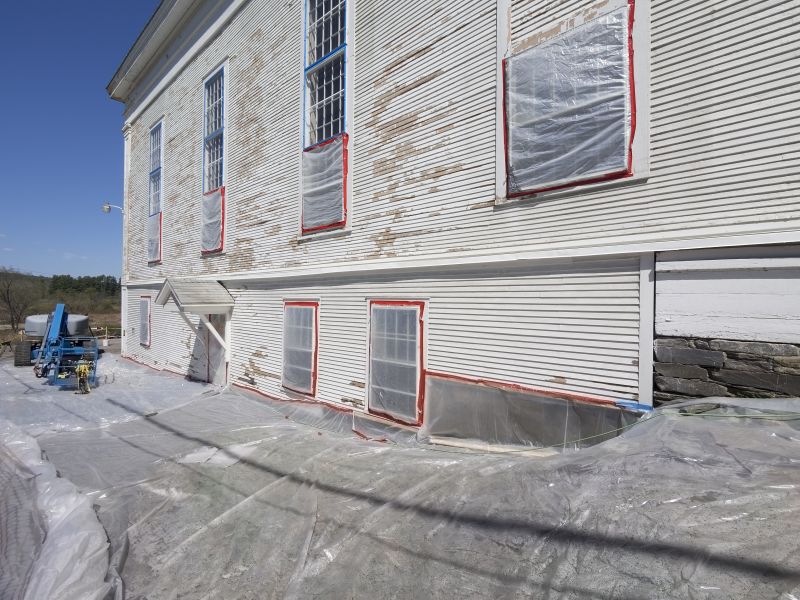
Lead paint abatement services involve the removal or containment of lead-based paint from residential and commercial properties. Property owners often seek help when renovating older buildings, preparing a property for sale, or addressing deteriorating paint that poses health concerns. Local contractors specializing in lead paint abatement are equipped to evaluate the condition of existing paint and implement appropriate removal or encapsulation methods, ensuring the work complies with safety guidelines and regulations. These professionals typically handle a range of properties, from single-family homes to larger commercial spaces, providing the necessary expertise to manage the complexities of lead paint removal safely and effectively.
Connecting with experienced local service providers can simplify the process of addressing lead paint concerns. Property owners can expect to find contractors who understand the specific requirements of lead paint abatement, including proper containment, removal techniques, and cleanup procedures. These local pros are well-versed in working within various property types and can help determine the most appropriate approach based on the property's condition and age. By comparing local options, property owners can select the service providers best suited to meet their needs for safe, efficient lead paint removal or encapsulation.
This guide helps visitors understand the key factors involved in lead paint abatement projects, aiding in informed decision-making. It provides a clear overview of what to expect when comparing local service providers. By highlighting important considerations, it supports users in preparing to connect with qualified contractors for their needs.